
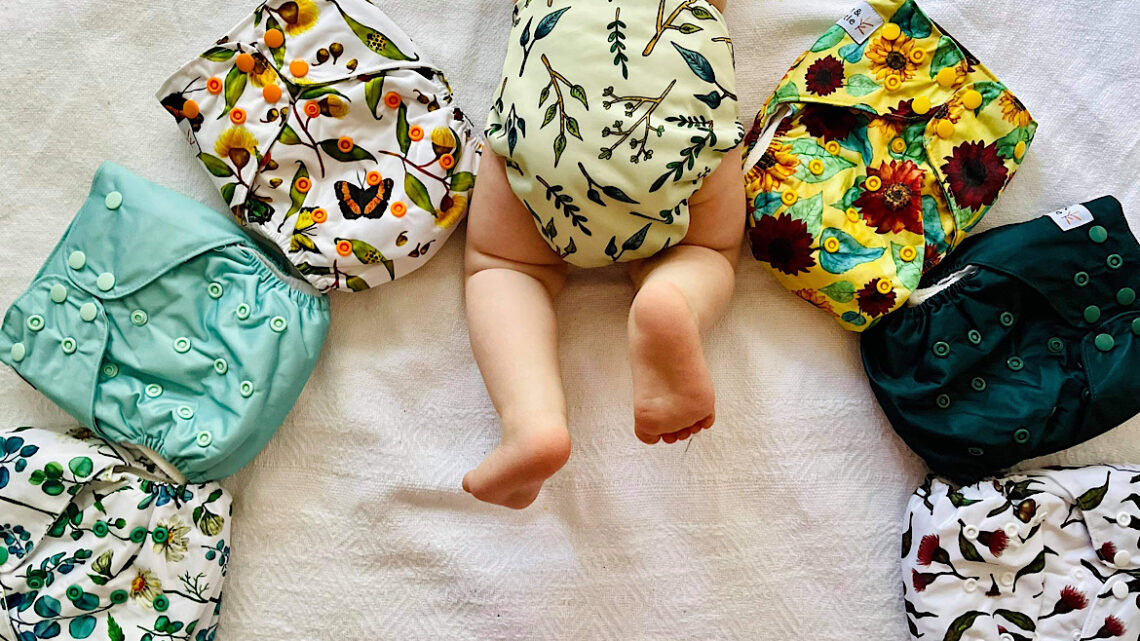
Why Switching to Cloth Nappies & Bamboo Charcoal Inserts Helps the Planet (and Your Baby)
8 October 2025If you’re a parent (or about to become one), you’ve probably thought: “How can I reduce my baby’s environmental footprint?” One of the biggest opportunities is to ditch disposable nappies and switch to reusable cloth nappies and high-quality inserts.
Here’s why making the switch is both eco-smart and baby-friendly — and how Go Sustainable (gosustainable.com.au) offers top-tier products to help you do it with confidence.
The Environmental Crisis of Disposable Nappies
Disposable nappies are convenient, but they come at a steep cost to the planet:
- According to abc.net.au, In Australia alone, around 1.5 billion disposable nappies are sent to landfill each year.
- In some Australian councils, disposable nappies account for 5–15% of total waste in kerbside bins.
- Disposable nappies break down extremely slowly — some estimates suggest 150 years or more in landfill.
- According to Word Economic Forum, globally, more than 300,000 disposable nappies per minute are either incinerated, dumped or otherwise discarded.
- Plastic, superabsorbent polymers and synthetic materials in disposables often do not degrade and contribute microplastics.
Even though some recycling trials (like Australia’s Nappy Loop) try to reclaim materials and turn them into compost or bioenergy, these remain in pilot stages and can’t yet handle the vast scale of the problem.
In short: every disposable nappy you don’t use is one less piece of plastic pollution in our environment.
The Benefits of Cloth Nappies + Bamboo Charcoal Inserts
Switching to cloth nappies is not just about avoiding waste — there are several direct benefits:
1. Dramatically less waste
Reusable nappies can slash landfill waste by up to 75% in participating councils. (Sustainability Victoria) Over your baby’s nappy-wearing years, that adds up big time.
2. Better for baby’s skin
Modern cloth nappies are breathable, soft, and often free from the harsh chemicals found in some disposables. Bamboo or charcoal inserts help wick moisture away, keeping skin drier and reducing nappy rash.
3. Odour control
Bamboo charcoal has natural antibacterial and deodorising properties. It helps reduce odour and keeps the nappy environment fresher.
4. Long-term savings
Yes, the upfront cost of cloth nappies and inserts is higher, but over months and years you save because you reuse rather than continually buying disposables.
5. Sustainable choice
Bamboo grows quickly, uses relatively little water, and is often considered more sustainable than cotton. Combined with charcoal technology, it gives you performance and a lower environmental footprint.
Featuring Go Sustainable’s Eco Nappy Products
If you want reliable, eco-conscious options, Gosustainable offers several excellent choices:
- Reusable Adjustable Cloth Nappies / Training Pants
The Gosustainable reusable nappies are adjustable, cotton-based, and built for reusability. These are perfect as your baby grows, and ideal if you want to transition into more sustainable design from day one. - 4-Layer Bamboo Charcoal Inserts (10-pack)
The 10 pieces 4-layer bamboo charcoal inserts combine charcoal and bamboo for excellent absorption, odour control, and comfort. These make an excellent pairing with cloth nappies for day or overnight use. - Newborn Inserts — Microfiber (10-pack)
For tiny babies, the machine washable microfiber inserts are sized just right (13.5×33 cm) and use 3 layers of microfiber. These are soft, absorbent, and ideal for baby cloth nappy systems.
By combining sustainable and reusable nappies with the right inserts, you end up with a system that is:
- Leak-resistant
- Soft against the skin
- Reusable (reducing waste)
- Eco-friendly
Tips for Cloth Nappy & Insert Users
Here are some practical tips to help parents make the cloth system work smoothly:
- Get enough sets
You’ll want enough nappies and inserts to rotate while others are in the wash. - Prewash / “prime” your inserts
Some bamboo or microfiber inserts reach full absorbency only after several washes (often ~4–6). - Avoid residue
Use a gentle, cloth-safe detergent. Avoid fabric softeners and bleach, which reduce absorbency. - Drying
Line-dry in the sun if possible (sunlight helps sanitise). Tumble dry low if needed. - Layer strategically
For heavy wetters or overnight use, add an extra insert or boost. - Learn leak patterns
Adjust fit, insert placement or layering to prevent leaks. Many leaks result from gaps or misaligned inserts than from lack of absorbency.
How You Can Help Right Now
- Share this post or one of Go Sustainable’s product pages on your social media to help more parents discover cloth nappies.
- Try one pack of inserts and see how your baby tolerates them — many parents are pleasantly surprised. I’ve personally used sustainable cloth nappies for all of my children over the years, and not only did they work brilliantly, but they also saved my pockets in the long run.
- If you’re expecting or know someone who is, gift reusable nappies or inserts instead of disposables.
- Support broader recycling and composting trials.