
Zero Waste Home: Room-by-Room Guide to Reducing Household Waste
11 November 2025Did you know the average Australian household produces about 540kg of waste per year? That’s roughly the weight of a grand piano! But here’s the good news: reducing your household waste (Zero Waste Home) doesn’t mean overhauling your entire life overnight. It’s about making small, practical changes in each room of your home.
This guide will walk you through every space in your house with simple, achievable swaps that save money, reduce landfill, and make your home healthier for your family.
What Does “Zero Waste” Actually Mean?
Let’s be realistic: achieving absolutely zero waste is nearly impossible for most Aussie households. Instead, think of zero waste home as a goal to work towards, not a strict rule. The focus is on the 5 R’s: refuse what you don’t need, reduce what you do use, reuse items for new purposes, recycle only when the above aren’t possible, and rot organic matter through composting. Now, let’s tackle each room in your home.
Zero Waste Home – Kitchen: The Waste Reduction Powerhouse
Your kitchen is likely the biggest source of household waste, but it’s also where you can make the most impact.
Plastic-Free Food Storage
Single-use plastic wrap, zip-lock bags, and disposable containers fill our bins daily, but there are brilliant alternatives that’ll save you money in the long run. Consider replacing cling film with beeswax wraps or silicone lids that mould to any container shape. Glass containers with clip-lock lids are perfect for storing leftovers and can go from fridge to microwave safely. For work and school lunches, stainless steel lunch boxes are durable and keep food fresh without the need for plastic bags.
When you’re shopping for fruit and veg, bring along cotton produce bags instead of grabbing those flimsy plastic ones at the supermarket. And here’s a tip that costs nothing: save your empty pasta sauce jars and use them to store bulk goods like rice, pasta, and nuts. They look great on your pantry shelf too!
A set of beeswax wraps costs around $25-40 but lasts 1-2 years, saving you from buying hundreds of metres of cling wrap. That’s money back in your pocket and less plastic in landfill.
Sustainable Shopping Habits
Shopping sustainably doesn’t have to be complicated. Start by visiting your local farmers market where you can bring your own containers and chat with the growers about their produce. For pantry staples, stores like The Source Bulk Foods have locations across Australia where you can fill up your own jars and bags. When you’re buying packaged goods, choose products with minimal packaging or packaging that’s actually recyclable in your council area.
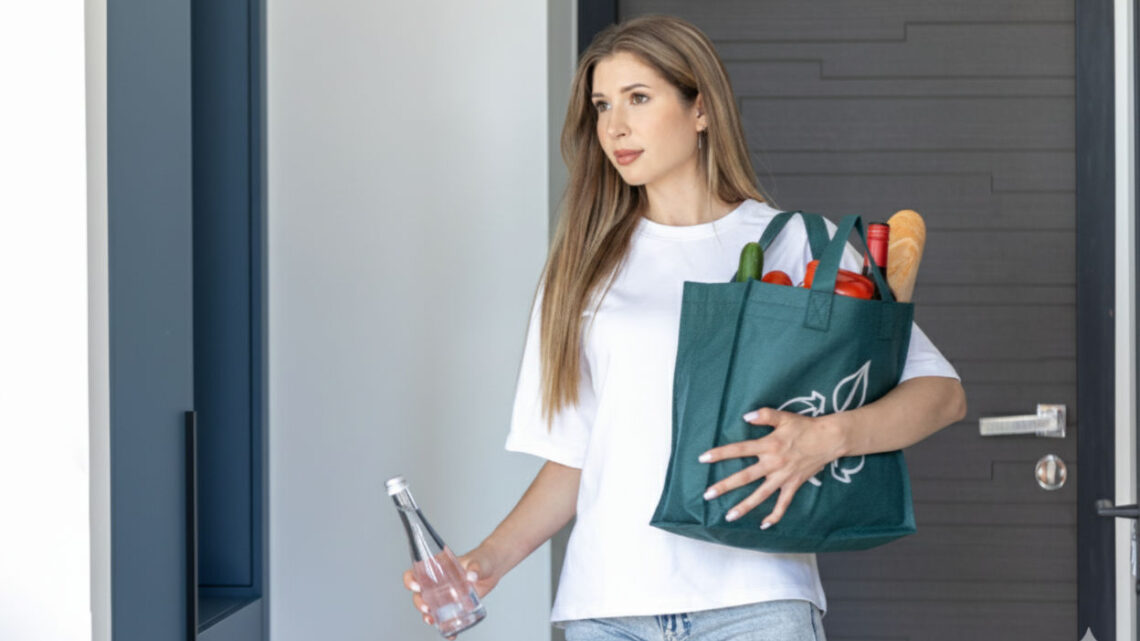
The simple act of bringing reusable shopping bags makes a huge difference. Keep a few spares in your car boot so you’re never caught without them. And while you’re at it, pack reusable coffee cups and water bottles when you head out for the day. Australians use about 3.92 billion plastic bags annually, so by using reusable bags, one person can eliminate approximately 500 plastic bags per year from landfill. That’s a massive impact from one small habit!
Composting Food Scraps
Here’s something that might surprise you: food waste makes up about 30-40% of the average Aussie household bin. When it goes to landfill, it creates methane, a greenhouse gas that’s 25 times more potent than carbon dioxide. Composting is one of the easiest ways to dramatically reduce your waste footprint.
If you’ve got a backyard, a traditional compost bin works brilliantly for houses with gardens. For those in apartments or with limited space, a worm farm is perfect and doesn’t take up much room. If you eat meat and dairy, consider a bokashi bucket, which can handle these foods that traditional composting can’t break down. Many councils now accept food scraps in their green bins too, so check what’s available in your area.
New to composting? Start with just vegetable scraps and coffee grounds. Once you’re comfortable with the process, you can expand to include more items. It’s easier than you think, and your garden will love the nutrient-rich compost you create.
Kitchen Cleaning Without Waste
Your kitchen cleaning routine is another area ripe for sustainable swaps. Instead of reaching for paper towel, use washable cloths or Swedish dishcloths that can be rinsed and reused hundreds of times. Plastic sponges break down into microplastics, so switch to coconut fibre scrubbers or bamboo brushes that are completely biodegradable.
Those spray bottles of cleaner? You can make your own that works just as well with simple ingredients you probably already have. Mix 500ml water with 100ml white vinegar and add 10 drops of eucalyptus or tea tree oil. Store it in a glass spray bottle, and you’ve got an all-purpose cleaner that’s tough on grime but gentle on the planet. For your dishwasher, look for plastic-free dishwasher powder that you can buy in bulk rather than those individually wrapped tablets.
Zero Waste Home – Bathroom: Small Space, Big Impact
The bathroom is full of single-use plastics, but swapping them out is easier than you think.
Personal Care Essentials
Let’s start with dental care. Plastic toothbrushes can be replaced with bamboo toothbrushes that have compostable handles. When your bamboo toothbrush is worn out, simply remove the bristles and toss the handle in your compost. Toothpaste tubes are tricky to recycle, so consider switching to toothpaste tablets or powder that come in glass jars you can refill. Even your dental floss can go green with silk floss in refillable glass containers.
For hair care, shampoo bars are game-changers. One bar equals about 2-3 bottles worth of liquid shampoo, and they’re perfect for travel too. You can pair them with conditioner bars or try an apple cider vinegar rinse that leaves your hair surprisingly soft and shiny. If you shave, ditch those disposable razors and invest in a quality safety razor with replaceable blades. It’ll give you a closer shave and save you money over time.
Here’s some real talk about shampoo bars: they can take 2-3 washes to adjust to. Your hair might feel a bit different at first, but stick with it! Your scalp will adapt to the natural ingredients, and you’ll save heaps of plastic in the process.
When it comes to body care, bar soap wrapped in paper is the way to go instead of shower gel in plastic bottles. Moisturiser bars or bulk refills eliminate more packaging waste, and reusable bamboo rounds replace those disposable cotton pads you use for makeup removal or toner application. They’re soft, wash beautifully, and last for ages.
Period Care Revolution
Australian women use approximately 12,000 disposable period products in their lifetime. That’s a staggering amount of waste that ends up in landfill. Sustainable alternatives are not only better for the environment but also healthier for your body and more economical in the long run.
Menstrual cups last for 10 years and cost between $40-60 upfront. Period underwear is reusable, comfortable, and machine washable, making it a convenient option for many people. Reusable cloth pads are soft, chemical-free, and long-lasting. Let’s do the maths: spending $10 per month on disposables equals $4,800 over 40 years. A menstrual cup costs around $50 and lasts a decade. The savings speak for themselves!
Bathroom Cleaning
Keeping your bathroom clean doesn’t require harsh chemicals in plastic bottles. Bicarb soda and vinegar work brilliantly as toilet cleaner and are safe for septic systems too. When it’s time to replace your toilet brush, choose one with a bamboo or wooden handle. For toilet paper, buy recycled, bamboo, or plastic-free wrapped options. And those cleaning cloths? Old t-shirts cut into squares work just as well as anything you’d buy at the shops.
Zero Waste Home – Laundry: Clean Clothes, Clean Conscience
Washing Smarter
Your laundry routine is full of opportunities to reduce waste and save energy. Soap nuts, washing powder in cardboard boxes, or laundry strips are all excellent alternatives to liquid detergent in plastic bottles. Washing your clothes in cold water saves energy and actually makes your clothes last longer by reducing wear and tear on the fabric.
Whenever possible, air dry your clothes instead of using the dryer. If you do use a dryer, swap those single-use dryer sheets for wool dryer balls that reduce drying time and soften clothes naturally. Choose fragrance-free or naturally scented products to avoid synthetic chemicals. Here’s an Aussie tip you’ll love: line drying in our abundant sunshine is free, better for your clothes, and uses zero energy. Plus, UV rays naturally disinfect fabrics, so your washing comes out fresh and clean without any extra effort!
Fabric Care
Small changes in how you care for your clothes can eliminate more waste. Instead of disposable lint rollers, invest in a reusable lint brush that’ll last for years. For stain removal, eucalyptus oil works wonders, and so does good old-fashioned sunlight. When you need dry cleaning, look for wet cleaning services or eco-friendly dry cleaners in your area that use gentler, more sustainable methods.
Zero Waste Home – Bedroom: Sleep Well, Waste Less
Sustainable Textiles
When it’s time to replace your bedding, choose organic cotton, bamboo, or linen sheets. These natural fibres are breathable, durable, and better for your skin. Look for GOTS certified products, which means they meet the Global Organic Textile Standard. Before you buy new, check out what’s available second-hand from op shops or online marketplaces. You’d be surprised at the quality bedding people donate! And when something tears, repair it instead of automatically replacing it. A simple stitch can extend the life of your favourite sheets by years.
Your wardrobe deserves the same thoughtful approach. Donate or sell clothes you don’t wear anymore so someone else can love them. Host clothing swaps with friends where you can refresh your wardrobe without spending a cent or creating waste. Learn basic mending skills through YouTube tutorials. A missing button or small tear doesn’t mean the end of a garment’s life. Choose quality over quantity when you do buy new clothes. Well-made pieces might cost more upfront but will last far longer than fast fashion alternatives.
Electronics and Charging
Even your bedroom electronics offer opportunities to reduce waste. Use power boards with switches to turn off devices properly instead of leaving them on standby. Unplug phone chargers when they’re not in use because they draw power even when nothing’s connected. For devices that need batteries, choose rechargeable batteries that can be used hundreds of times instead of single-use ones that end up in landfill.
Zero Waste Home – Living Areas: Entertain Sustainably
Hosting Zero Waste Gatherings
Having people over doesn’t mean you need to create mountains of waste. Use real plates, glasses, and cutlery for your gatherings. If you don’t have enough for everyone, borrow extras from friends or family. Provide clearly labelled bins for recycling and compost so your guests know where things should go. Make large batches of food to reduce packaging rather than serving lots of individually wrapped items. When the party’s over, send guests home with reusable containers of leftovers so nothing goes to waste.
Gift giving is another area where we can make a difference. Wrap presents in fabric, newspaper, or reusable gift bags that the recipient can use again. Consider giving experiences rather than things. Concert tickets, cooking classes, or a day trip together create memories without creating clutter. When you do give physical gifts, choose Australian-made products with minimal packaging to support local businesses and reduce transport emissions.
General Living Space Tips
Your everyday living areas offer plenty of simple wins. Cancel junk mail and subscribe to digital bills to cut down on paper waste. Use reusable candles in glass jars or beeswax candles instead of paraffin candles in disposable containers. Choose indoor plants over cut flowers because they last longer, clean the air, and bring life to your space year-round. For things you’ll only use once like tools or party supplies, borrow or rent them instead of buying new. There are tool libraries and lending services popping up all over Australia.
Zero Waste Home – Office/Study: Paper-Free Productivity
Going Digital
Your home office or study space can easily become more sustainable with a few simple changes. Switch to digital note-taking apps instead of using endless notepads. Use cloud storage for your documents instead of printing everything out. If you do need to print, set your printer to double-sided by default to cut your paper use in half. Keep a scrap paper tray where you can collect printed pages that still have one blank side for quick notes and lists.
When it comes to office supplies, think about longevity. Refillable pens and mechanical pencils eliminate plastic waste from disposable pens. Recycled paper notebooks are widely available and work just as well as their virgin paper counterparts. Natural rubber erasers are biodegradable unlike plastic ones. Here’s a clever swap: use paperclips instead of staples whenever possible. Paperclips are reusable, won’t damage documents, and make it easier to recycle paper properly.
Zero Waste Home – Kids’ Rooms: Teaching the Next Generation
Toy Management
Teaching kids about sustainability starts with their stuff. Buy second-hand toys from op shops or online marketplaces. The toys are just as fun, and you’ll save a fortune! When you do buy new, choose wooden or metal toys over plastic when possible. They’re more durable and can often be passed down to siblings or friends. Organise toy swaps with other families where kids can trade toys they’ve outgrown for something new to them. Donate toys in good condition regularly to keep clutter under control and help other families at the same time.
School Supplies
Zero waste school lunches are easier than you might think. Stainless steel lunch boxes with compartments keep different foods separate and eliminate the need for plastic wrap or bags. Reusable snack bags or silicone pouches can be washed and used again and again. Insulated drink bottles keep water cold all day, and cloth napkins are so much nicer than paper towel.
For stationery, look for refillable pencil cases that’ll last through multiple school years. Choose pencils instead of plastic pens when possible, and when pens are necessary, erasable pens mean fewer mistakes thrown in the bin. Recycled paper notebooks are perfect for schoolwork and often cost the same as regular notebooks.
Your Impact Matters
Every small change you make ripples outward. When you choose reusables, you’re not just reducing your personal waste—you’re showing businesses and manufacturers that Australians want sustainable options. Your purchasing decisions send a powerful message to companies about what matters to consumers.
Remember, zero waste isn’t about perfection. It’s about progress. Some days you’ll forget your reusable bags. Sometimes takeaway coffee in a disposable cup is necessary. That’s okay! What matters is that you’re making conscious choices more often than not. Be kind to yourself as you make these changes. It’s a journey, not a destination.
Start with one room, make one swap, and build from there. Maybe this week you’ll switch to a bamboo toothbrush. Next month you might start composting. In six months, you could have transformed your entire home’s waste footprint. Your future self (and the planet) will thank you for every step you take.
Ready to start your zero waste journey? And don’t forget to explore our range of Australian-made reusable products to help you get started.